
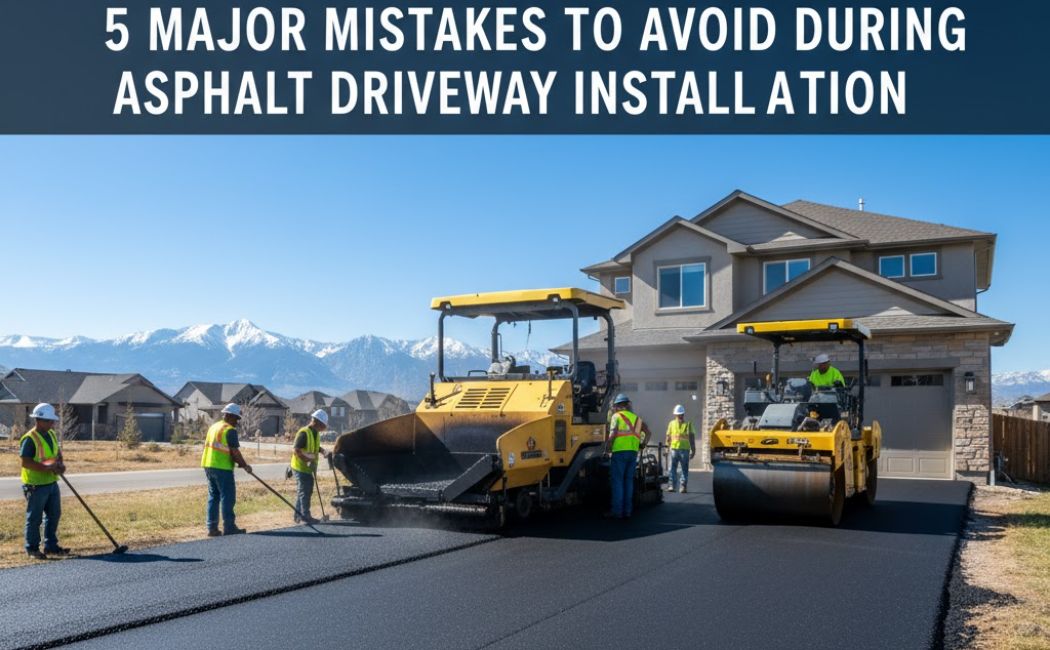
An asphalt driveway is a very good choice for homeowners in Denver because it offers years of durability, weather resistance, and curb appeal. The varying weather conditions in this area make asphalt a highly effective surface option for managing temperature changes and heavy snowfall. Professional asphalt paving in Denver ensures long-lasting driveways and better performance, which makes it easier to avoid mistakes.
As we know that asphalt is broadly used as the best paving material for driveways. The benefits of asphalt driveways over those of other materials like concrete, brick, and gravel include durability, lower maintenance, reduced cost, and more attractive surfaces. Furthermore, it is very environmentally friendly as it can be easily repaired.
Experience is necessary to install an asphalt driveway properly. If not for this, your asphalt driveway could be considered unsatisfactory or require extensive repairs or replacement after only a few months. Getting the installation done right, through professional assistance, will really make a positive difference in the lifespan and functionality of your driveway. So, here in this blog, we will discuss 5 common mistakes to avoid during your asphalt paving work.
Mistake #1: Poor Base Preparation
A stable, solid foundation is necessary before laying asphalt. A poorly prepared foundation may lead to uneven surfaces and potential cracking down the line. In addition, factors such as soil compaction or base material usage can affect the longevity of your driveway. You should always prepare a good-quality base. A well-prepared base is the foundation of quality asphalt paving.
Tip: The foundation of your driveway should be robust, so make sure to grade and compact the base properly.
Mistake #2: Low Compaction During Paving
The initial step in asphalt installation is known as compaction. The asphalt’s poor compacting can result in air pockets and weak spots that make your driveway more susceptible. Proper compaction can be attained by utilizing heavy rollers and controlling the temperature during installation.
Denver’s fluctuating temperatures require careful consideration of compaction, so that our professional asphalt paving Denver contractors focus on proper compaction to prevent early cracking.
Tip: Ensure that the contractor you employ uses compaction and the appropriate equipment to prevent any early signs of cracking, and always hire one.
Mistake #3: Installing Asphalt in Thin Layers
Despite the apparent savings, installing only thin layers of asphalt can cause long-lasting problems. Thin layers are unable to bear the weight of heavy vehicles, so they degrade the surface much more quickly than normal. Asphalt layers must be thick enough to withstand the load of regular traffic and the weight of vehicles. Our asphalt paving experts know that consistent layer thickness ensures a longer-lasting surface.
Tip: Lay out the asphalt at the recommended thickness for driveways to ensure its durability and long life.
Mistake #4: Skipping Sealcoating
Sealcoating is necessary for keeping your asphalt driveway protected once it has been installed. This sealcoating extends the lifespan of any asphalt paving project. This coating shields the surface from harmful UV rays, rain, and road salts that can eventually break down the material. Neglecting this step can result in a higher chance of your driveway cracking and fading.
To ensure a long-lasting driveway and attractive appearance, it is recommended to schedule sealcoating every 6-12 months after installation.
Mistake #5: Ignoring Proper Drainage
The most significant danger to asphalt is water. The accumulating water on your driveway can result in cracks and base erosion. The bad Denver climate, accompanied by frequent freeze-thaw cycles, can result in significant damage to your driveway. Don’t let this put you off. In Denver, professional asphalt paving always includes a focus on drainage design.
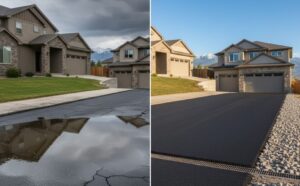
Tip: Prevent erosion and ensure proper drainage during installation to prevent water from accumulating on the surface and causing cracks.
Final Thoughts:
Preventing these five significant mistakes, which include: inadequate base preparation; inadequate compaction; thin coatings; skipping sealcoating; and failing to provide adequate drainage adequately can save you from costly repairs and early damage. By having a well-crafted driveway, you can not only enhance your property’s curb appeal but also ensure its longevity in Denver’ble weather.To achieve a durable and smooth driveway, it’s important to hire experienced asphalt paving experts. Contact our contractor today for a first-time driveway installation.

Frequently Asked Questions:
1. What are the most critical mistakes when setting up asphalt?
A poor base preparation is the most significant misstep to take. The foundation is essential for ensuring the longevity and strength of your driveway.
2. Does the compaction have effects on my asphalt driveway?
The compaction during the installation prevents any gaps or weak spots from occurring, thereby improving the surface toughness and cracks
3. What thickness of asphalt should I cover my pavement to maintain good performance?
For optimal support against wear and heavy loads, asphalt should be laid at a thickness of 2-3 inches.
4. Why is sealcoating necessary for my driveway?
By sealing off UV rays, rain, and road salt, you can improve the appearance of your asphalt and prevent premature wear.
5. How can I prevent water from flooding my asphalt driveway?
Proper drainage design is key. Ensure that the water flows off the surface, which will prevent pooling and minimize cracks and erosion, because the accumulating water on your driveway can result in cracks and base erosion.