
A well-maintained asphalt surface is a great asset for your property. It provides an attractive, smooth, clean, and appealing look, which enhances your curb appeal. Asphalt is also durable, whether it is used for a driveway or a parking lot. Regardless of how high the quality of asphalt concrete paving is, things like proper installation are essential to prevent it from deteriorating and becoming unusable over time. This guide is designed to inform owners of residential driveways and commercial parking lots of the practices that will keep their pavement in good condition for the longest time possible.
Our asphalt services guarantee that your pavement will be perfected and it will be durable for extended periods of time.
Average Lifespan of Asphalt Concrete Paving
How Durable is Asphalt Over Time?
Asphalt concrete paving life is usually around 15 to 30 years, depending on how much traffic there is, the weather, and how well it is taken care of. With residential driveways, you can expect something around the 15-year mark, but for commercial parking lots, they tend to last longer due to heavier traffic and stronger installations.
Correctly maintained quality asphalt concrete paving and maintained asphalt will extend the costs of your repairs and replacements. A high-quality asphalt concrete paving can last decades when maintained correctly.
Residential Driveways vs Commercial Parking Lots
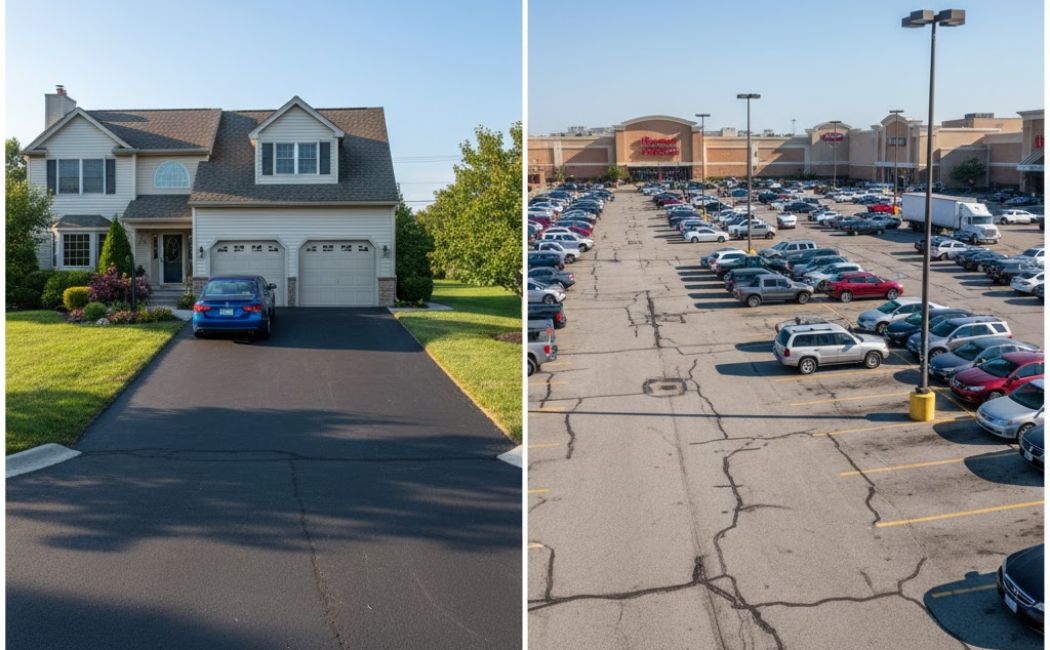
When figuring out the longevity of residential and commercial asphalt surfaces, consider how frequently and how heavily each is used. Driveways serve lighter loads, and therefore, residential driveways are more vulnerable to the effects of weather and lighter vehicle wear. On the contrary, commercial parking lots are designed to endure heavier and more frequent wear and tear, increasing their lifespan in comparison.
Temperature Shifts and Moisture
The weather is a big reason why asphalt might not have a long life. When there are extreme temperature changes, particularly in areas with freezing and melting, asphalt can crack. Moisture can weaken the surface over time, which can speed up the deterioration. Good quality asphalt concrete paving can withstand these temperature and moisture changes, and deterioration, as long as it is properly installed and maintained.
Key Factors that Influence Longevity
Various key factors can affect how long your asphalt will last, such as:
1. Quality Base Of Installation:
Asphalt should be laid on a solid foundation for durability. Why? A stable base preparation is necessary, and the base material must be compacted in a proper manner. A weak foundation is necessary for the asphalt to shift, crack, or develop depressions. Proper Grading, layering, and compaction are necessary for the asphalt to remain stable on the foundation for an extended period.
2. Climate and Temperature Condition:
The temperature can be too high for asphalt. The material can be made more flexible in hot weather, while cold temperatures can make it fragile. The surface’s oxidation is caused by UV rays, which eventually lead to its weakening. Sealcoating and other maintenance procedures can enhance the asphalt’s durability and prevent damage from temperature fluctuations.
3. Professional Asphalt Work:
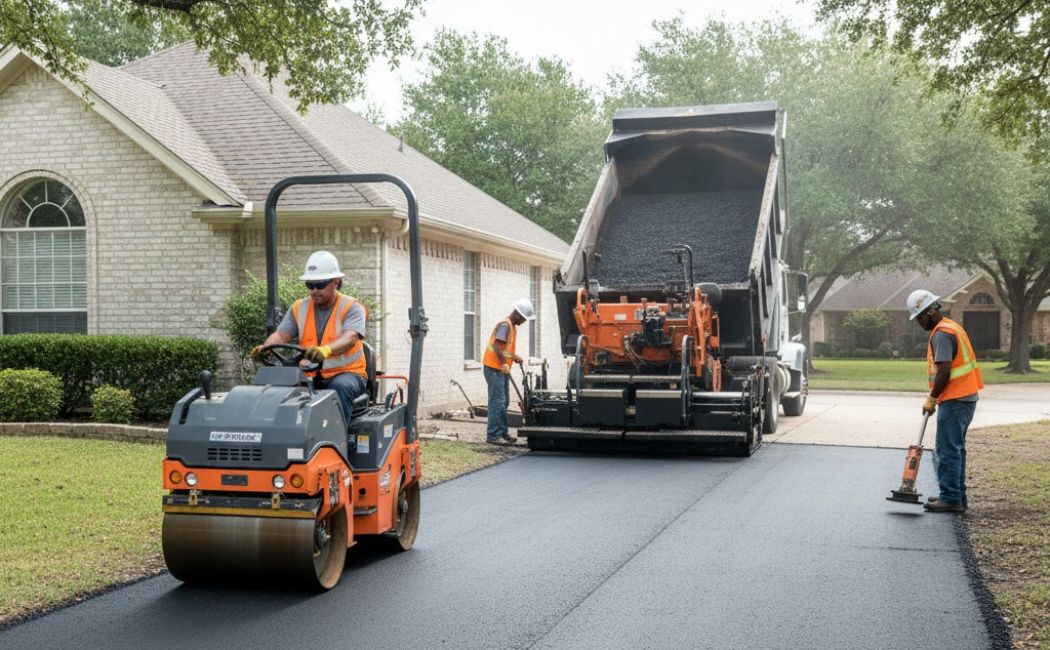
A skilled installation is very important to preventing early asphalt damage. Advancing contractors know how to lay the asphalt evenly and make sure that it adheres properly. A poorly installed asphalt can cause uneven surfaces, cracks, and dips, resulting in costly repairs. Expert asphalt work helps minimize wear and extend the surface’s lifespan.
4. Load Pressure and Traffic:
Depending on the volume of traffic, your asphalt surface will last longer. Heavy vehicles like trucks and buses put a lot of pressure on the asphalt, which in turn degrades faster. Similarly, heavier cars experience less pressure, but the constant wear and tear from regular car traffic will eventually cause damage. Why? Maintaining traffic control while balancing load carefully will prolong the life of your asphalt surface.
5. Drainage and Water Management:
One of the most significant asphalt threats is standing water. It collects in the asphalt surface, destroys the base material, and causes the asphalt to crack. Proper water management and drainage are required to avoid this. Having a slight slope on the surface of your driveway or parking lot will allow water runoff, thus preventing pooling, and will enhance the surface longevity.
Maintenance Tips For Long-Lasting Asphalt
Maintaining regular maintenance can keep your asphalt in good shape for a long time. Why? Here are some ways to keep your asphalt looking new:
- Annual Checkups: You should inspect your asphalt surface at least once a year. Take note of small cracks, signs of erosion, and drainage problems during this assessment. By detecting these issues early, costly repairs can be avoided in the future.
- Timely Repairs: When you see damage, it is important to take care of it. Whether it is a crack or a pothole, damage gets worse the longer you wait. Those small issues will require large professional asphalt repair services, so the best solution is to take care of them before they get bigger.
- Cleaning Routine: Your asphalt will weaken due to dirt, debris, and oil stains. You should regularly clean the surface so these contaminants don’t continue to damage it. Keeping it clean protects the asphalt and keeps it looking nice.
- Seasonal Care: Asphalt can get damaged in the winter and rainy seasons, too. After these bad weather conditions, check your asphalt for any damage. Water that freezes gets into cracks and expands, and moisture erosion is also a problem. These weather-related issues make seasonal care important.
- Our Regular asphalt Repair services are key to keeping your pavement strong year after year.
How Often Should You Seal Asphalt?
1. Protecting Asphalt: Sealcoating is the Best Option
You should always protect your asphalt surfaces with sealcoating. This is like putting on sunscreen. It protects the surface from damaging UV rays and moisture, and road salts, which can degrade asphalt over time. Sealcoating protects the asphalt from oxidation and degradation. It makes the asphalt look brand new.
2. How Often is Sealcoating Needed?
Resealing your asphalt every 2 to 3 years is best. This depends on weather, traffic, and surface general wear and tear. Professional sealcoating should be done to guarantee that all the sealcoat is layered evenly and properly.
Warning Signs: That Your Asphalt Needs Repairs or Replacement
Here are some signs that repairs, or even a full replacement, might be needed:
- Cracks Grow Bigger: Even if they are small, cracks will get bigger. Water getting into cracks weakens the pavement, and the bigger the cracks, the more costly the damage. The life of your pavement will be extended through maintenance services, like crack filling.
- Potholes Are A Problem: Potholes do not look good. They will damage cars and are a tripping hazard for people walking. They will cause further damage with little maintenance. Water getting underneath the pavement is the main cause of a pothole. This weakens the foundation underneath the pavement. Without routine pothole repair, the pavement will lose its structural integrity, and a smooth finish on top will be impossible.
- The Surface Is Bleached: Bleaching is an indicator that asphalt is losing protection. It will take a while for functioning issues to arise, but it will happen. It is important to get maintenance on the bleaching of asphalt. Oil spills, water, and UV rays will further damage the pavement. The appearance will be improved with a seal coat of asphalt.
- Noticeable fading, brittleness, or water puddling: Fading and brittleness denote that the asphalt has been weathered too long. Regularly accumulating water suggests drainage problems that may lead to further deterioration.
- When asphalt damage becomes widespread, our professional asphalt repair services can restore the surface efficiently.
The life expectancy of an asphalt surface depends on the quality of the first installation, the maintenance performed, and the repairs executed. Asphalt concrete paving can be performed to last for decades and provide smoothness and durability to the surface. From the viewpoint of a residential driveway owner to a commercial parking lot manager, the value of professional asphalt work can be interpreted as the durability and strength of the finished surface after installation. Schedule an inspection or asphalt repair service today to protect your pavement and keep it looking new.
FAQs:
Q1: How long does asphalt last on a residential driveway?
A1: With adequate maintenance and installation best practices, asphalt will last 15-20 years on residential driveways.
Q2: How often should I reseal my asphalt driveway?
A2: Every 2-3 years is a good rule of thumb to reseal your asphalt driveway, contingent on climate and volume of traffic.
Q3: What’s the best way to protect my asphalt driveway from winter damage?
A3: Prevention of winter damage involves adequate drainage and sealcoat systems to lessen the chances of damage from freezing and thawing.
Q4: How can I tell if my asphalt needs to be replaced?
A4: The presence of deep cracks and potholes, along with distortion of the surface, indicates a need for repairs, possibly total replacement.
Q5: Can I install asphalt myself, or should I hire a professional?
A5: DIY is certainly an option, though professional installation of asphalt work would provide the best outcome in terms of a durable surface and minimal complications.