
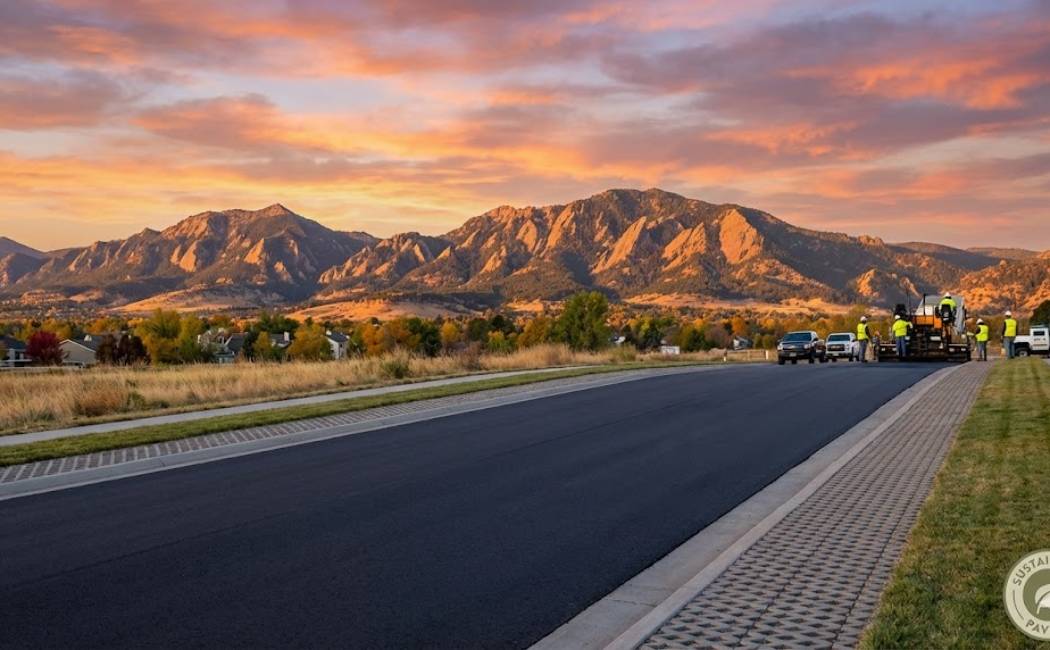
Colorado is famous for its unique climate, which brings constant challenges to your property’s pavement. These challenges include freeze-thaw cycles, sudden shifts in temperature, UV exposure, and melting snow, all of which contribute to the rapid breakdown of asphalt. As these conditions continue, year by year, homeowners, municipalities, and commercial developers are increasingly seeking solutions that deliver durability and environmental responsibility.
This shift aligns with the growing nationwide demand for eco-friendly construction practices. Sustainable paving solutions are becoming the new standard. The manufacturers use recycled materials and energy-efficient production methods.
Sustainability isn’t an add-on; it’s built into every project. Asphalt & Concrete Services of Metro Denver uses materials that are friendly to the environment. It involves the use of modern asphalt technology and strategies for lasting performance. These methods help your pavements last longer and reduces their environmental impact. Many clients want sustainable paving CO solutions as awareness grows. The industry is responding with new and efficient options.
What Makes Asphalt Eco-Friendly?
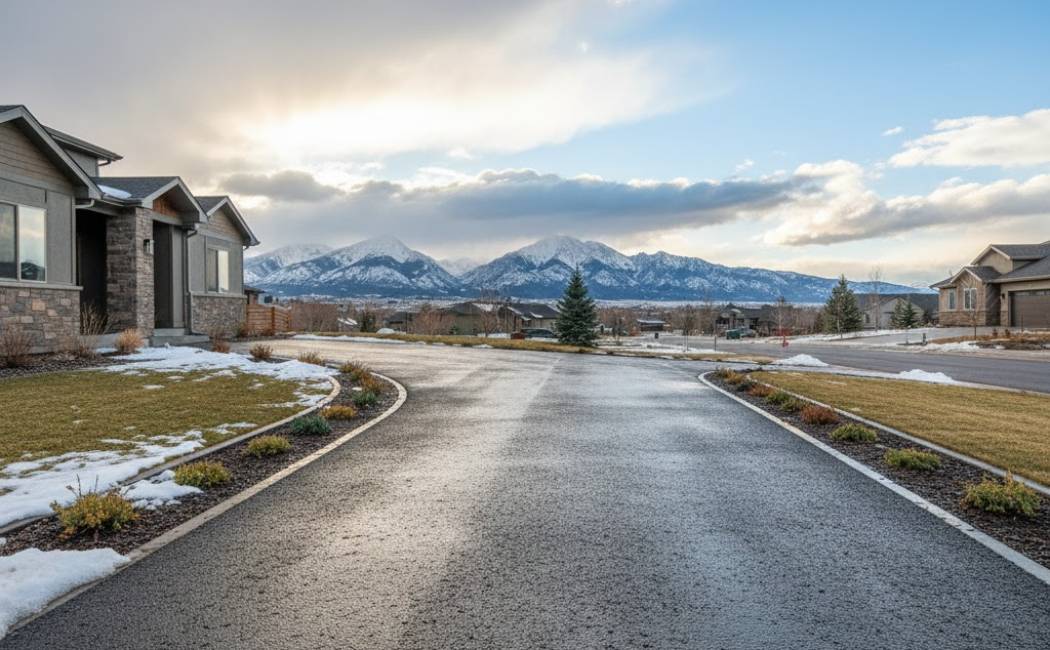
Asphalt is considered a sustainable material, mainly because of its high recyclability, energy efficiency methods of production, and, most importantly, less environmental impact. The following features describe the eco-friendly asphalt the best.
-
Decrease In Emissions During Production:
Traditional hot mix asphalt (HMA) is prepared at high temperatures for the perfect bonding of aggregate and binder. Modern technologies use lower temperatures, reducing greenhouse gas emissions and energy consumption.
-
Recycled Asphalt Pavement:
The old asphalt is crushed and milled and added with the new one, keeping its strength. This process cuts down the need for new aggregate and oil-based binders. It helps save natural resources and reduces landfill waste.
-
Durability And Maintenance:
When the asphalt is properly installed and appropriate maintenance methods are used, like sealcoating and crack sealing, asphalt pavements can last for decades, reducing the frequency of repairs and full replacements.
Additionally, when low-impact methods like infrared repair and Cold In-Place Recycling (CIR) are used to extend the life of existing roads, they require less material, energy, and transportation compared to full reconstruction.
-
Why “sustainable paving CO” matters:
Using friendly and cost-effective paving solutions that offer:
- Better performance in extreme weather
- Increased Property Value
- Reduced carbon footprint
- Long-term financial savings.
Proven Options: Recycled Asphalt Pavements (RAP)
Recycled asphalt pavements (RAP) are proven sustainable options. They eliminate the need for raw materials, lowering the energy use and greenhouse gas emissions. It saves money.
-
What RAP is it made of?
Produced by grinding old asphalt surfaces and using them in new paving mixes. The recycled binder and aggregate are blended with fresh materials to create a strong, durable driving surface. RAP is 100% recyclable and keeps its strength and durability.
-
Environmental impact: less waste, fewer raw materials
Using RAP reduces:
- landfill waste,
- mining for new aggregates,
- consumption of petroleum products,
- and overall project emissions.
By recycling existing pavement, contractors help conserve natural resources and lower the carbon footprint of every project.
-
Performance in Colorado’s weather
RAP performs at a high level in Colorado’s climate because:
- It resists cracking in freeze–thaw cycles.
- It provides excellent compaction and density.
- Its consistent structure reduces moisture infiltration.
-
How eco-asphalt Denver projects use RAP effectively.
Many eco-asphalt Denver projects rely on RAP as a base layer for roads, driveways, and parking lots. Eco asphalt’s stability, low cost, and other sustainable benefits make it the number one option for building.
Warm-Mix Asphalt (WMA): Lower Emissions, Higher Efficiency
A big step forward in sustainable paving is Warm-Mix Asphalt (WMA). It’s made at much lower temperatures than hot-mix asphalt.
• How warm-mix differs from hot-mix.
- Producers heat hot-mix asphalt to over 300°F during production.
- New additives and foaming technologies can make warm-mix 30–90°F cooler.
• Carbon Dioxide reduction & energy savings
Lowering the mixing temperatures of asphalt results in:
- Up to 30% lower fuel consumption,
- Decrease in carbon dioxide emissions,
- Improved air quality for workers and surrounding communities.
• Benefits for Colorado’s paving season
WMA provides several advantages in Colorado’s unpredictable weather:
- longer working time before cooling,
- Improved compaction in colder temperatures,
- Faster project completion during short winter windows.
• Where WMA works best.
WMA is ideal for:
- residential driveways,
- municipal roadways,
- commercial parking lots,
- large-scale highway paving.
Permeable Asphalt: The Smart Choice for Stormwater Management
Colorado’s snow, ice, and rapid meltwater make permeable asphalt a great eco-friendly choice.
• Colorado benefits
Permeable asphalt allows water to pass through the pavement surface, reducing:
- Stormwater Runoff,
- Meltwater Pooling,
- Ice Hazards In Winter.
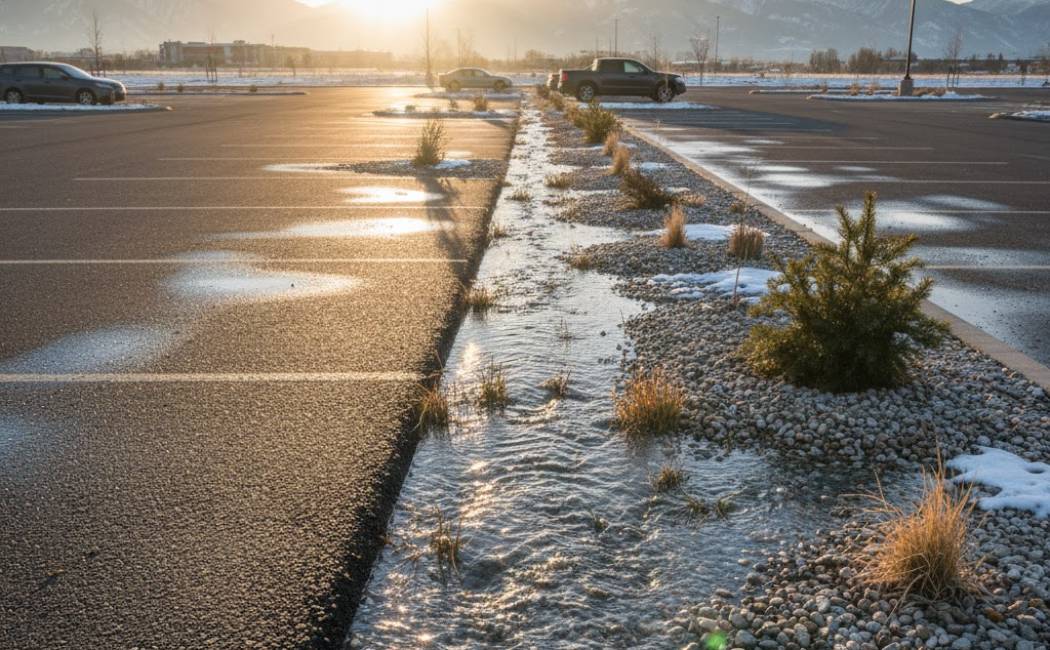
Its eco-friendliness and versatility make it a top choice for sustainable paving solutions.
This system absorbs water into the ground. This helps with drainage and stops erosion.
• Ideal applications
Permeable asphalt works best for:
- Residential Driveways,
- Community Pathways,
- Parking Lots,
- Parks,
- Eco-Friendly Commercial Properties.
• Why cities & eco-minded homeowners prefer permeable paving
More municipalities are opting for permeable systems. This helps them meet sustainability goals and stormwater rules. Homeowners value it for cutting down ice patches, boosting driveway safety, and helping groundwater recharge.
Cost Benefits of Sustainable Asphalt Options
Eco-friendly asphalt isn’t better for the environment; it can lead to savings over time.
• Long-term savings from improved durability
RAP and WMA reduce maintenance needs, while permeable asphalt lowers drainage costs. Durable mixes mean fewer repairs, fewer replacements, and reduced lifecycle expenses.
• Cost comparison for Colorado homeowners
While initial installation costs may vary, most sustainable asphalt options:
- Last longer,
- Requires Few Materials
- Reduce energy consumption during installation.
This makes them an excellent long-term investment for Colorado homeowners and businesses.
Environmental Impact: How Eco Asphalt Reduces Colorado’s Carbon Footprint
Eco asphalt options significantly lower Colorado’s environmental impact. Benefits include:
- Minimum emissions during manufacturing,
- Decreased waste through recycling.
- Lower energy use,
- Improved performance under climate stress.
Many eco-asphalt projects in Denver now use RAP or WMA. This helps meet local sustainability goals. Paving can be eco-friendly and budget-friendly, and it can also last for many years.
Choosing the Right Sustainable Option for Your Project
Not all paving projects need the same approach. When selecting a sustainable asphalt option, consider:
• Residential vs commercial needs
Homes can use WMA or permeable asphalt. Commercial lots often choose RAP because it is cost-effective and strong.
• Climate and environmental factors
Freeze-thaw cycles, drainage needs, and moisture levels will affect which mix works best.
• When to combine options
One of the best strategies is to combine materials, for example:
- RAP is a base layer for strength,
- WMA is a top layer for efficiency and reduced emissions.
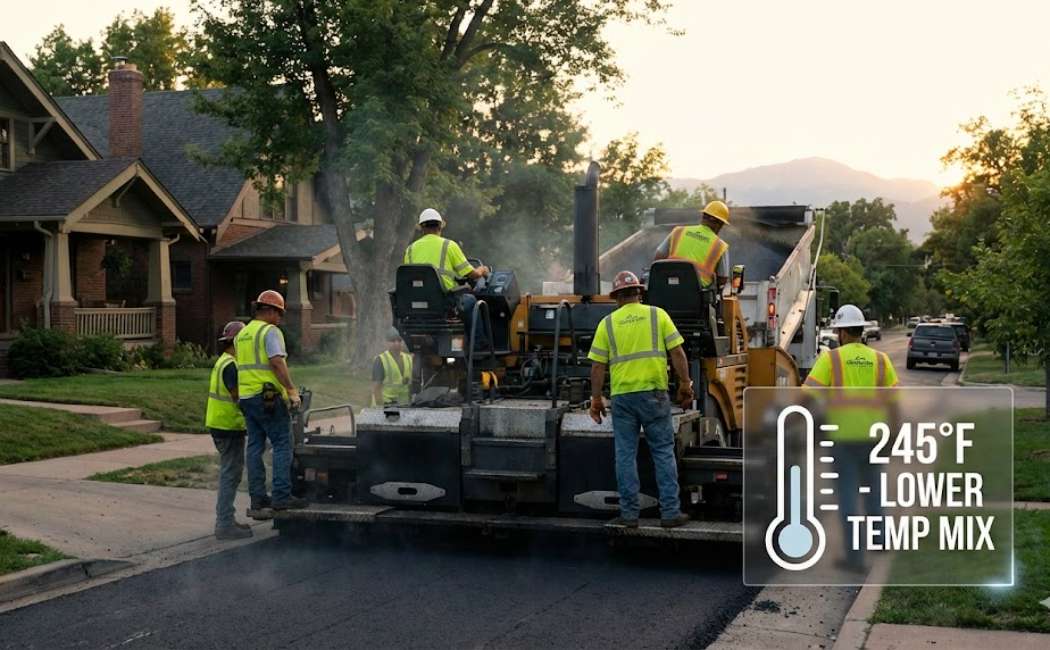
This hybrid method delivers performance, sustainability, and affordability.
Why Work With a Professional?
A professional team helps make sure your pavement lasts. They use materials that are both advanced and eco-friendly.
• Technical expertise in sustainable materials
Professionals understand how to select the best sustainable mix for your site conditions.
• Proper installation for long-term performance
Even the best materials fail without accurate grading, compaction, and layer management.
• Compliance with Colorado environmental standards
A qualified contractor ensures your project meets local regulations and sustainability goals.
Choose the Best Asphalt Services CO for sustainable paving. We provide stronger, longer-lasting, and eco-friendly surfaces.
Conclusion: Build Stronger, Greener, Longer-Lasting Surfaces in Colorado
Colorado’s weather demands high-performance pavement—and sustainable asphalt delivers. RAP offers durable and low-cost solutions. WMA cuts down emissions. Permeable asphalt boosts drainage and supports green development.
Choosing sustainable paving CO solutions means picking materials that last longer, perform better, and reduce your environmental impact.
Upgrading a driveway, resurfacing a parking lot, or starting a commercial project? Eco-friendly asphalt is the smarter, greener choice.
Ready to explore sustainable asphalt solutions? Contact the Best Asphalt Service CO today to schedule a quote or on-site inspection.